Optimal Timing for Concrete Installation
Concrete installation timing is crucial for achieving optimal results and durability. The ideal period depends on weather conditions, temperature, and humidity levels. Proper planning ensures the concrete cures correctly and minimizes issues such as cracking or uneven setting.
Spring and fall are generally the best seasons for concrete work due to moderate temperatures and lower humidity, which promote proper curing.
Concrete should be installed when temperatures are between 50°F and 85°F. Extreme cold or heat can affect curing and strength.
Rain, snow, or high winds can disrupt curing processes. Dry, stable weather conditions are preferred for quality results.
Large-scale concrete projects benefit from scheduling during periods with predictable weather patterns to avoid delays.
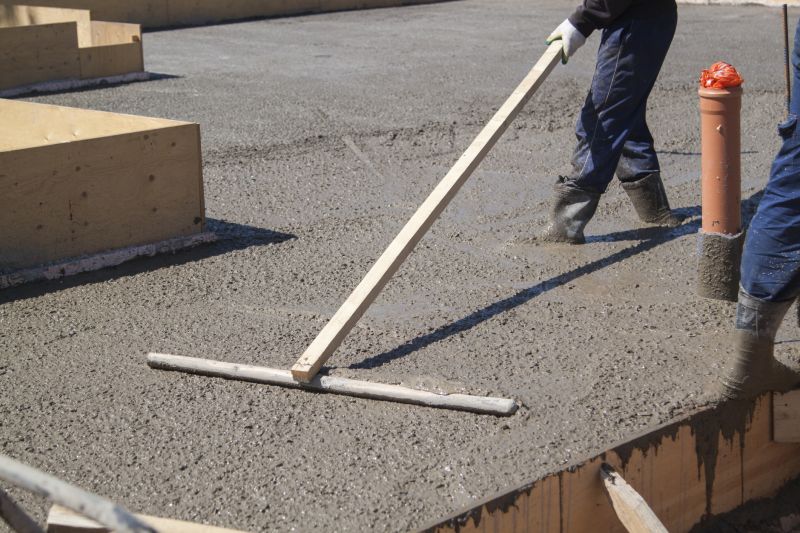
Ways to make Concrete Installations work in tight or awkward layouts.

Popular materials for Concrete Installations and why they hold up over time.
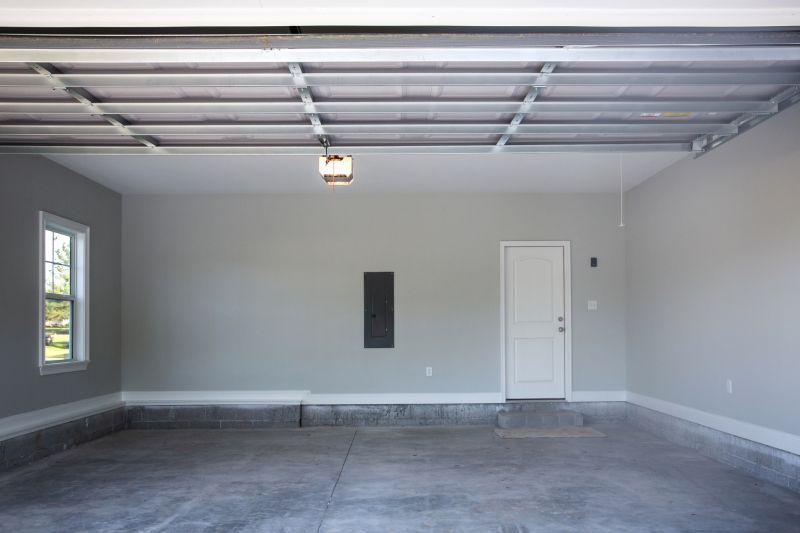
Simple add-ons that improve Concrete Installations without blowing the budget.

High-end options that actually feel worth it for Concrete Installations.
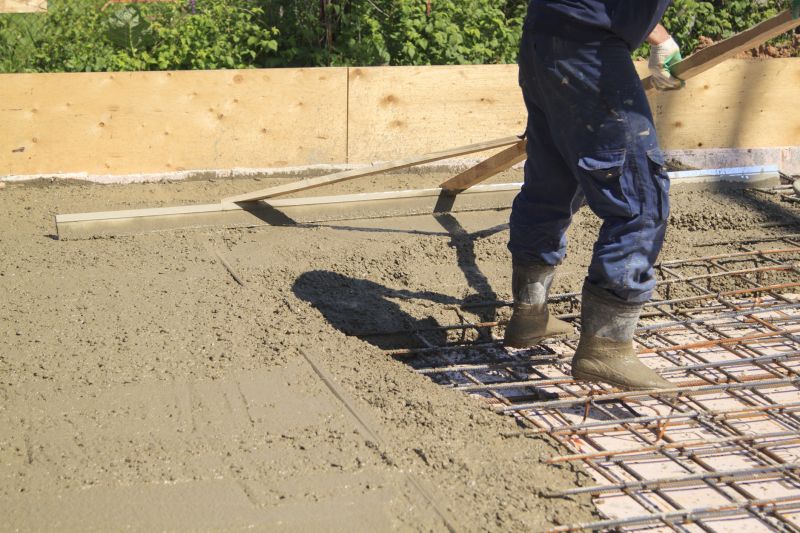
Finishes and colors that play nicely with Concrete Installations.

Little measurements that prevent headaches on Concrete Installations day.
| Season | Ideal Conditions |
|---|---|
| Spring | Moderate temperatures, low humidity, minimal rain |
| Summer | Warm temperatures, avoid extreme heat, ensure shade |
| Fall | Cooler temperatures, dry days, stable weather |
| Winter | Cold temperatures, requires heating precautions |
| Late Fall | Potential for early snow, plan accordingly |
Concrete installations require careful consideration of climate and seasonal weather patterns. Proper timing not only influences the quality of the finished surface but also affects the longevity and maintenance needs of the concrete. Planning projects during suitable weather conditions helps prevent common issues such as cracking, surface scaling, and uneven curing.
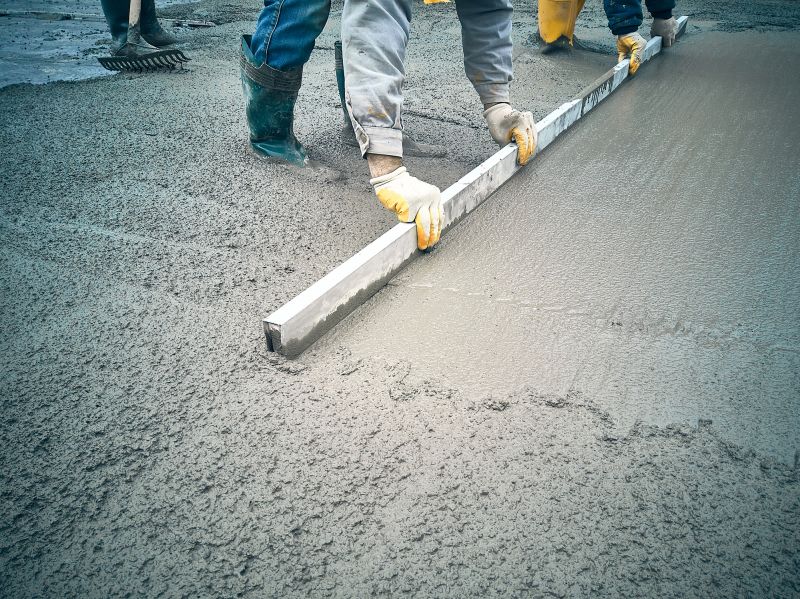
A 60-second routine that keeps Concrete Installations looking new.
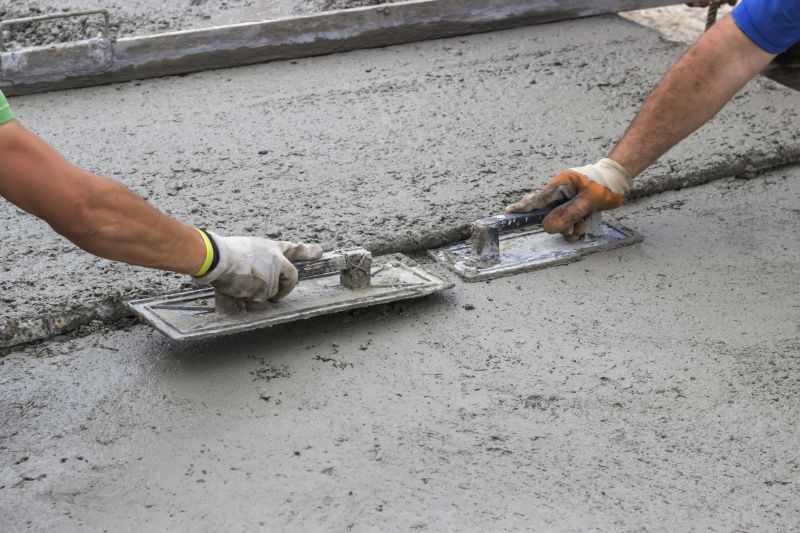
A frequent mistake in Concrete Installations and how to dodge it.
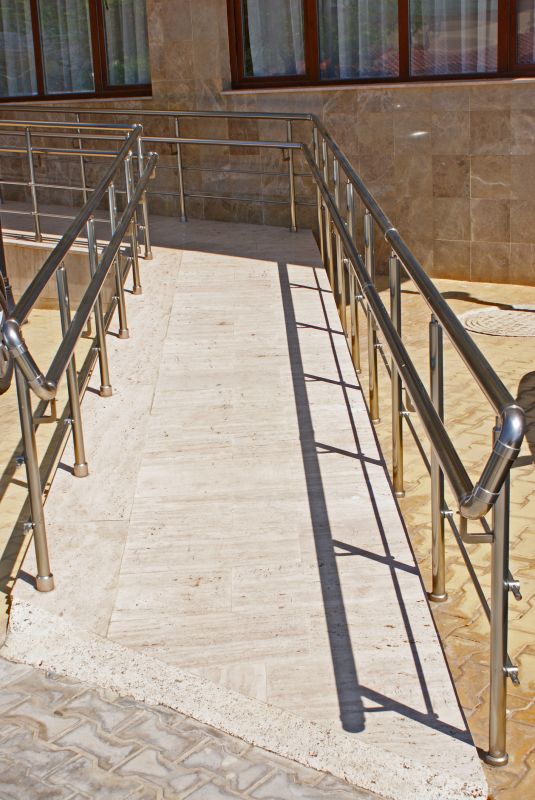
Small tweaks to make Concrete Installations safer and easier to use.
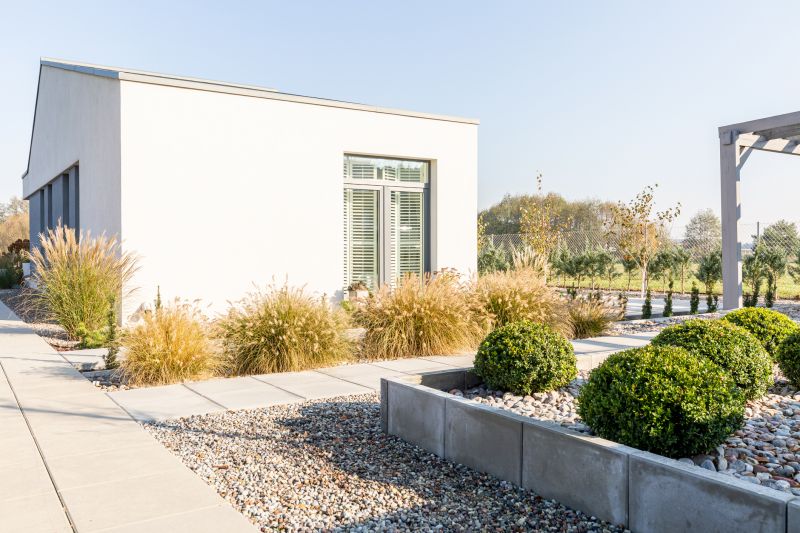
Lower-waste or water-saving choices for Concrete Installations.

The short, realistic tool list for quality Concrete Installations.
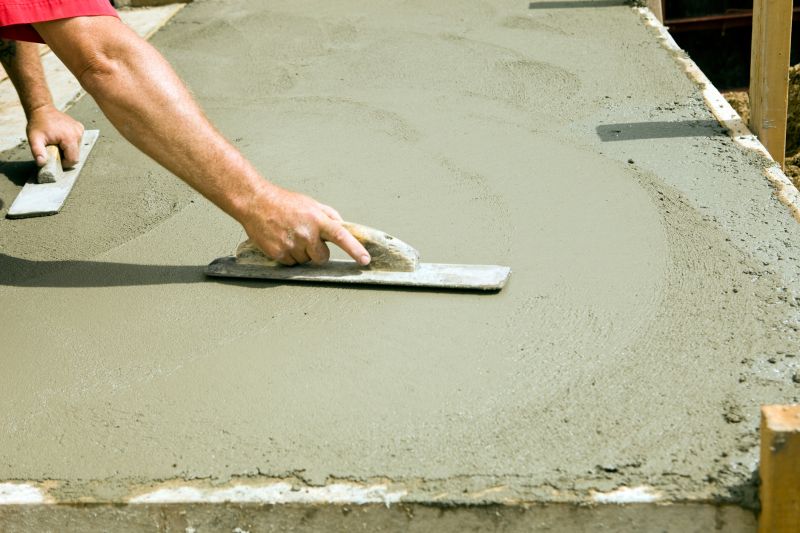
Rough timing from prep to clean-up for Concrete Installations.
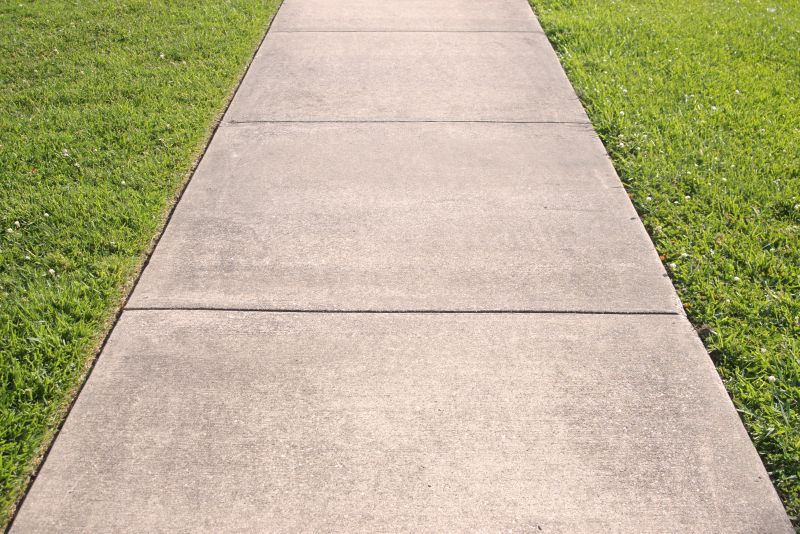
Quick checks and paperwork to keep after Concrete Installations.

Examples that show the impact a good Concrete Installations can make.
Scheduling concrete installation at the right time maximizes durability and minimizes future repair costs. It is advisable to consult with professionals to determine the most suitable period based on local climate conditions. Proper planning ensures the concrete sets correctly and maintains structural integrity over time.
Interested in scheduling a concrete installation? Fill out the contact form to discuss project details and timing options.